

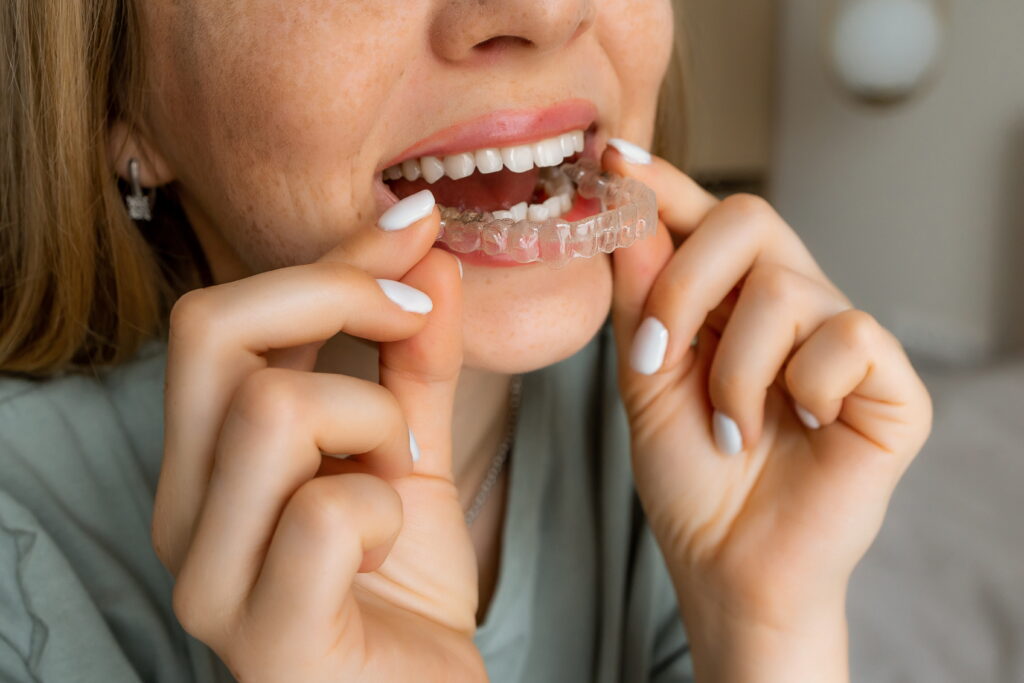

Finishing orthodontic treatment is a big milestone. Whether you wore traditional braces for 18 months or clear aligners for a year, seeing your newly aligned smile for the first time feels different. Teeth look straighter. Your bite feels balanced. Photos suddenly look better.
But here is something many patients in Coeur d’Alene are surprised to learn. Orthodontic treatment does not truly end the day your braces come off. What you do in the months and years after treatment plays a major role in how long your results last.
At Jaeger Orthodontics, we talk with patients every week about how to protect their investment and keep their smiles looking great long term. If you recently completed treatment, or you are getting close, this guide will help you understand exactly what to do next.
Why Teeth Can Shift After Braces or Aligners
Your teeth are supported by bone and periodontal ligaments. During orthodontic treatment, gentle, controlled pressure moves teeth into new positions. Once appliances are removed, those tissues need time to stabilize.
Without proper retention and ongoing care, teeth naturally try to drift back toward their original alignment. This is especially common in the lower front teeth. Even small shifts can change the appearance of your smile and the way your bite fits together.
The good news is that long term stability is very achievable. It simply requires consistency.
Wear Your Retainer as Instructed
If there is one habit that makes the biggest difference, it is this: Wear Your Retainer as Instructed.
Retainers are designed to hold your teeth in their new positions while the surrounding bone and tissues adapt. Depending on your treatment plan, you may have:
- A clear removable retainer
- A Hawley style retainer with acrylic and wire
- A bonded permanent retainer behind the front teeth
Each type has specific instructions. In most cases, patients are asked to wear removable retainers full time for a period of time, often several months, before transitioning to nighttime wear.
Skipping nights or forgetting to wear your retainer regularly can allow subtle shifting. Over time, those small changes can add up.
If you ever notice tightness when putting your retainer in, that is often a sign your teeth have started to move. Wearing it consistently again may help if the shift is minor. If it no longer fits, contact your orthodontic office right away.
For patients looking for an experienced Orthodontist in Coeur d’Alene ID, having a clear retention plan is part of comprehensive care.
How Often Should You Wear It?
A common question we hear is, How Often Should You Wear It?
The answer depends on your individual case, but here is a general guideline many orthodontists follow:
● Immediately after treatment: full time wear, except for eating and brushing
● After the initial stabilization phase: nighttime wear
● Long term: many orthodontists recommend wearing retainers at night indefinitely
Teeth can shift at any age. Even adults who completed orthodontic treatment years ago may notice changes if they stop wearing their retainers.
Think of your retainer like a seatbelt for your smile. You may not notice it much once it becomes routine, but it protects something valuable.
If you are unsure about your specific schedule, your orthodontic team can clarify what is appropriate for your case.
Maintain Excellent Oral Hygiene
Straight teeth are easier to clean. That is one of the lasting health benefits of orthodontic treatment. But good alignment only helps if you maintain consistent hygiene.
To Maintain Excellent Oral Hygiene, focus on daily habits:
Brush at least twice a day with fluoride toothpaste.
Floss once daily, paying close attention to the gumline.
Clean your retainer as directed to prevent buildup and odor.
Plaque and tartar do not disappear after braces come off. In fact, some patients experience mild enamel decalcification or gum inflammation after treatment if hygiene was challenging during braces.
Now is the time to reset your routine. Clean, healthy gums help support long term tooth stability. Gum disease can lead to bone loss, which increases the risk of tooth movement over time.
In North Idaho communities like Coeur d’Alene and Hayden, we often see patients who enjoy outdoor activities, coffee shops downtown, and seasonal treats. Maintaining consistent brushing and flossing protects your smile no matter your lifestyle.
Schedule Regular Dental Checkups
Orthodontic care and general dentistry work together. Even after your braces are removed, you still need routine exams and professional cleanings.
To protect your results, Schedule Regular Dental Checkups at least every six months, or as recommended by your dentist.
These visits allow your dental team to:
- Monitor gum health
- Check for cavities
- Evaluate your bite
- Ensure bonded retainers remain secure
If you have a permanent retainer behind your front teeth, your hygienist will pay special attention to cleaning around it. Tartar can accumulate more easily in those areas if flossing is not thorough.
Regular exams also help catch small changes early. If slight shifting begins, your orthodontist can recommend adjustments before it becomes more noticeable.
Watch What You Eat
You may feel a sense of freedom after braces are removed. Foods that once required caution suddenly feel easier to enjoy.
Still, it is wise to Watch What You Eat.
Hard foods like ice, hard candy, and unpopped popcorn kernels can damage bonded retainers. Sticky foods can pull at wires or distort removable retainers if not handled properly.
Beyond mechanical concerns, diet affects long term dental health. Frequent sugary snacks and acidic drinks increase the risk of enamel erosion and cavities. Decay or restorations can change tooth shape slightly, which may affect alignment over time.
You do not need to avoid your favorite treats entirely. Moderation and proper oral hygiene go a long way.
Be Mindful of Teeth Grinding
Many people grind or clench their teeth at night without realizing it. This habit, known as bruxism, can place significant pressure on teeth and supporting structures.
To protect your orthodontic results, Be Mindful of Teeth Grinding.
Signs of grinding include:
- Jaw soreness in the morning
- Headaches upon waking
- Flattened or worn tooth edges
- Chipped enamel
Grinding can contribute to shifting over time and may damage bonded retainers. If you suspect bruxism, talk with your dentist or orthodontist. A custom nightguard may be recommended to protect your teeth.
In our Coeur d’Alene practice, we often see patients who are active, busy, and juggling work and family. Stress can increase clenching. Addressing it early helps preserve both comfort and alignment.
Protect Your Smile During Sports
North Idaho offers incredible opportunities for outdoor recreation. From skiing at Silver Mountain to boating on Lake Coeur d’Alene, many families stay active year round.
If you participate in contact sports or activities with a risk of impact, it is important to Protect Your Smile During Sports.
A properly fitted mouthguard can help prevent:
- Tooth fractures
- Jaw injuries
- Damage to retainers
Even after orthodontic treatment, teeth can still be injured by sudden trauma. Custom mouthguards are typically more comfortable and secure than store bought options, especially for patients with bonded retainers.
If your child or teen has recently completed braces, this is an especially important conversation to have before the next sports season begins.
What to Do If You Notice Shifting
Despite your best efforts, minor changes can occasionally occur. The key is to act early.
If your retainer feels tight, no longer fits, or you notice visible movement in your teeth, schedule an evaluation. In many cases, small adjustments or updated retainers can correct minor relapse without repeating full treatment.
Waiting too long may require more comprehensive orthodontic care again. Addressing concerns promptly keeps solutions simple.
Long Term Retention Is a Commitment
Orthodontic treatment is an investment of time and resources. Most comprehensive cases take between 12 and 24 months, depending on complexity. Maintaining your results requires a much smaller daily commitment, often just wearing a retainer at night.
Patients who stay consistent with retention often maintain beautiful alignment for decades. Those who stop wearing retainers entirely are more likely to see gradual changes.
If you ever have questions about your retention plan, your orthodontic team is there to help.
How We Can Help
At Jaeger Orthodontics, patient education does not stop when braces come off. We believe long term success depends on clear guidance and ongoing support.
Here is How We Can Help:
We provide detailed retainer instructions tailored to your treatment.
We monitor your alignment during follow up visits.
We replace lost or damaged retainers promptly.
We coordinate with your general dentist for comprehensive care.
Our team understands the needs of families throughout Coeur d’Alene, Post Falls, and surrounding communities. Whether you completed treatment recently or several years ago, we are happy to evaluate your smile and answer questions about retention.
If you are searching for an Orthodontist in Coeur d’Alene ID who prioritizes long term results and personalized care, our office is here for you.
Maintaining your smile after orthodontic treatment is not complicated, but it does require consistency. Wear your retainer. Keep your teeth clean. Attend regular checkups. Protect your smile during sports and address concerns early.
If you would like guidance about your retainer, notice shifting, or simply want reassurance that everything looks stable, schedule a visit with Jaeger Orthodontics in Coeur d’Alene. We are proud to serve North Idaho families and help you enjoy your straight smile for years to come.